Leaving the Light On

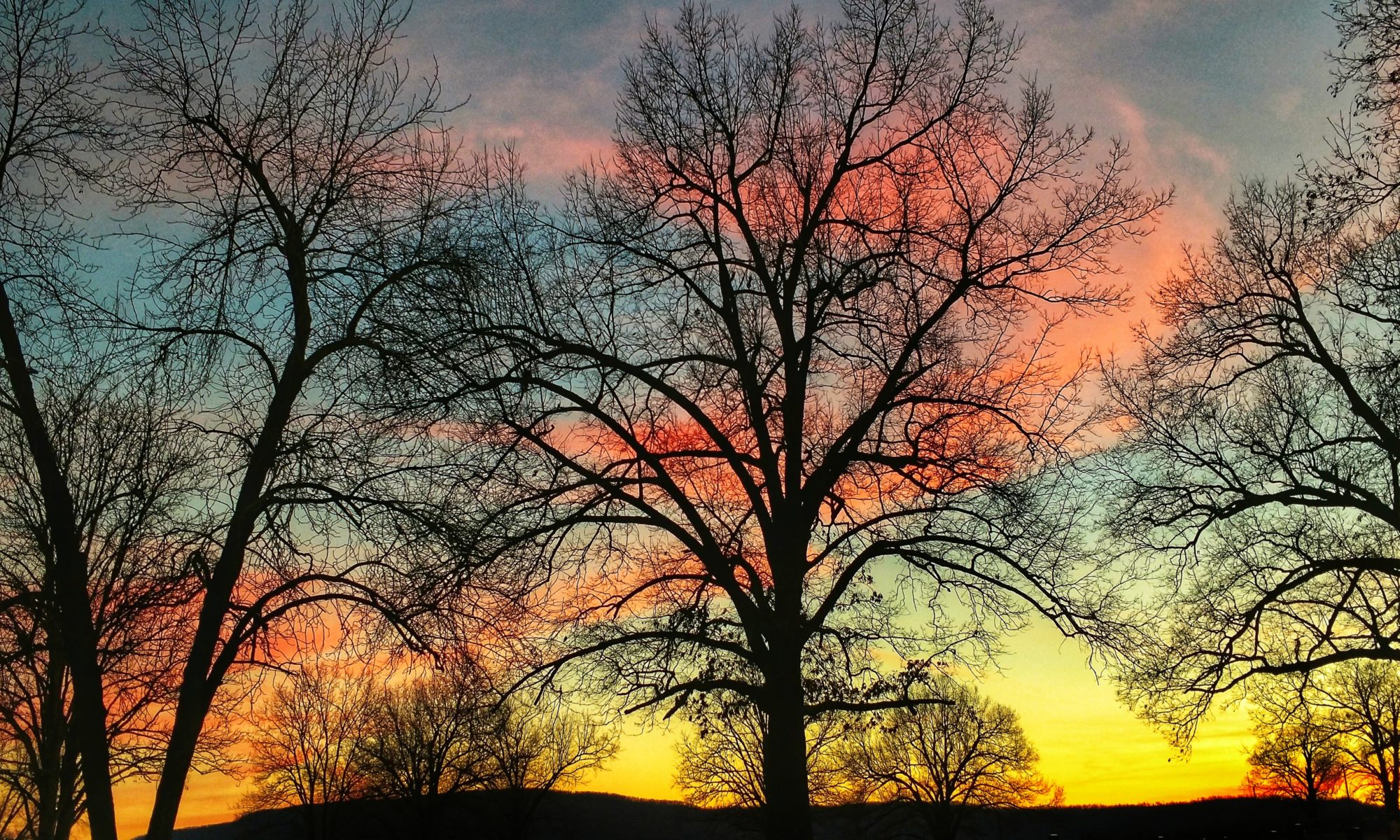
The Inn at Mountain View beautifully illuminated by a vibrant sunset with pink crepe myrtles and a blooming flower garden in full bloom.

If you turn on the television today, you’ll probably come across an insurance commercial featuring a coach who tries to stop young adults from turning into their parents. The ads are designed to be funny, but if you look beneath the humor, the underlying messages (to me) are troubling:

  • Don’t make eye contact.
  • Don’t strike up a conversation with strangers.
  • Mind your own business.
  • Look at your phone.
  • And whatever you do, don’t care too much.

Thank goodness some people live the direct opposite of those messages!

I want to share a story today about two people who do just that, some friends of mine, Kevin and Cheri.

Before I introduce you, let me tell you about where they live. The little town of Mountain View is an Arkansas treasure. Tucked away in a beautiful part of the state, it’s a great place to visit for a fun and refreshing getaway. There are so many wonderful people and so much to see and do. There’s shopping and fishing and restaurants and crafts and talented artisans. You can spend some time learning heritage, craftsman, and artisanal skills at the Ozark Folk Center Craft Village. Fishermen can cast a line into the White River, and adventurers can explore Blanchard Springs Caverns. There’s a lot of great music in the town also. It’s what Mountain View is known for—whether it’s scheduled concerts at the Ozark Folk Center, weekend shows at the Jimmy Driftwood Barn, weekly performances by the talented Pam Setser and others at the charming little Club Possum, and much more… This unique town has authentically earned its identity as the “Folk Music Capital of the World.”

Local musicians and spectators gathered under a brightly lit wooden gazebo at night to play acoustic folk music outside in Mountain View Arkansas.

Long-time visitors know that the real heartbeat of the town happens in the Pickin’ Park. It’s so unique… a place where musicians and singers from around the United States gather together to sit and pick and sing. They play authentic, acoustic music – strumming guitars, picking banjos, playing the fiddle, the mandolin, the upright bass… It’s a place where groups assemble into bands that have never played together before…or perhaps never even met. When the notes from the instruments begin, spectators from all over gather to sit and enjoy the songs and the music.

Right at the edge of the park sits a beautiful historic 1886 inn. It’s fittingly called The Inn at Mountain View – and it boasts a sprawling front porch looking out over the Pickin’ Park… a place where inn visitors can relax under ceiling fans, sitting in rocking chairs or a porch swing while contentedly listening to the music.

The first time I ever walked into the inn was during the off-season. I had noticed there were new owners – so a friend and I dropped by to find out when they would be opening up. Those new owners were named Kevin and Cheri and they were busy that day – working hard to get the inn up and running…..but they didn’t treat us like an interruption. They treated us like family, enthusiastically walking us around, showing us the rooms, telling us the history, and sharing their excitement for the future. That was my first hint that the Inn at Mountain View was going to be something special.

Over the years, the Inn has become one of my favorite getaways – a wonderful place to just reset and refresh when the weight of daily responsibilities get a little heavy. When I drive down for a stay there, I try to arrive early because I want to respect the innkeepers’ schedule, knowing they can’t fully settle in for their evening until all their guests have checked in. So many places these days use an automatic check-in service, no contact, but not the Inn at Mountain View. They greet their guests individually, and it means a lot. They care about connection.

I’ll never forget one specific trip when I turned onto Highway 66 at Leslie and noticed I was having some minor issues with the car. Phone service is sketchy, intermittent on the 30-plus minute drive from Leslie to Mountain View so I was thoughtful, wondering if it had been a good decision to continue on. As I drove along I had the thought that perhaps…if I didn’t show up on time to check in, that Kevin and Cheri might check on me. I knew at least that they would notice that I hadn’t arrived, and that comforted me. I made it safely, and the moment I stepped inside, the stress of the highway faded away into the quiet calm of the house.

That peace isn’t an accident. It is the result of a business that has been intentionally turned into a ministry.

Every morning at the inn, a cheerful handbell rings out, calling guests to the comfortable dining room for breakfast. Everyone sits family style at large tables, passing delicious food back and forth and talking, visiting – getting to know one another. Before anyone starts to eat though, Kevin steps out to say grace. In a world that sometimes seems to shrink back from faith, Kevin boldly uses the microphone his job has given him to honor the Lord. He leads the entire room in a prayer, centering the day on gratitude and grace and reminding a room full of strangers to give our Heavenly Father the honor He deserves.

Kevin and Cheri’s hospitality, their intentional care, spills out all day long to their guests. Cookies or other desserts appear in the dining room for guests to wander in and enjoy. Those resting on the porch in the afternoon are sometimes surprised with unexpected treats like freshly made warm bread pudding. Kevin and Cheri don’t advertise these extras. It’s not part of the contract. It’s just a reflection of their hearts.

But a moment that is forever etched into my mind and the reason this story is being written happened several years ago on a night when the inn was completely full. My friend Kay and I had traveled to see a concert at the Ozark Folk Center featuring Ricky Skaggs. It was a great show, and because we had VIP tickets, we stayed late for a meet and greet after the performance. On the way back to the inn that evening, still excited and talking about the show, we stopped at Sonic, sitting in the car to chat and laugh. By the time we finally pulled back up at the inn, the town was completely dark, the Pickin’ Park was empty, and the streets were quiet.

But there, sitting alone in the dark on the pleasant front porch, was Kevin.

I was surprised. I knew he had to get up early the next morning to cook breakfast for the Inn’s guests before going to church….so I wondered why he was sitting on the porch alone. As we walked up, he asked us about the concert so we sat down in rocking chairs to visit with him for a bit before going inside. And that’s when I figured it out, when I realized the truth. He was waiting up for us! I can’t tell you how that touched my heart. Obviously, we were capable of taking care of ourselves, but to Kevin, we were under his roof and he refused to go to bed until he knew his guests – all his guests – were safely inside for the night. Not since I was a little girl had someone watched the road for my safe return, and the profound comfort of that moment has never left me. I realized in that moment just how deeply it touches the soul to know someone cares enough to leave the light on for you.

Remembering it still brings tears to my eyes. In a culture that laughs at television commercial characters for caring too much or crossing lines to talk to strangers, we have built a world where it is incredibly easy to feel entirely on your own. Kevin was a living reminder that evening that we aren’t meant to live in isolation. We are all here to look out for one another, to connect, and to care.

As I write this, Kevin and Cheri have recently placed the historic inn on the market. But true to form, it isn’t a hasty decision born out of weariness—it is what they beautifully call a “pray and wait” decision. After years of consecutive growth in their business, their hearts are simply turning toward retirement and spending precious time with their grandchildren six hours away. They aren’t just selling a piece of real estate; they are patiently waiting on God’s perfect timing to hand over the keys to the next caretaker. As Kevin so beautifully puts it, if God isn’t through with them there, they aren’t leaving. They are simply holding the space open for the next person called to carry on the legacy of care and ministry they’ve spent years building.

Kevin and Cheri’s excellent hospitality proves that you don’t need a pulpit to have a ministry, to care for others, to point people to the Lord. You just need a servant’s heart. By rejecting the modern culture of isolation, they turned an old historic inn into a sanctuary for the weary – a place of warmth, of celebration, of comfort, and joy – proving that when you tune your life to the service of the Lord, any job can become holy ground.

Do not neglect to show hospitality to strangers, for by this some have entertained angels without knowing it. — Hebrews 13:2

Sister Schubert Rolls and Aluminum Foil

an empty roll and a piece of aluminum foil

Happy Thursday, friends!

Let’s all be kind to each other today…. because you know what? We all carry silent, invisible weights. Even though our days are full of blessings – we also all have pains. Sometimes, a person will drop what they are doing and just freeze, stopped dead in their tracks by a sudden wave of emotion, and the people standing right next to them won’t have a single clue why.

I used to have a friend whose favorite catchphrase was, “That’s so weird,” whenever she encountered a person or emotional reaction or a situation she didn’t quite understand. I loved her dearly, but I always winced inside when she said that phrase. Just because a person’s behavior or feelings are unfamiliar to our own lived experience doesn’t make them “weird.” It usually just means we don’t know the story behind it…we don’t understand. We don’t always know what hurts, what fears, what pains a person is carrying behind their smiles.

A Quiet Moment of Reflection

Take last night, for instance. If you had walked into my kitchen, you would have seen a grown woman standing by the cabinets, holding an empty cardboard tube with tears in her eyes. To a stranger, it would probably look weird, but to me, it was a quiet moment of unexpected reflection.

When my parents passed away, I made the decision to move into their house in Green Forest. Even though I had never lived in this house before, it felt like I had… because in many ways, it is the house I grew up in.

When I was a little girl, Mother and Daddy sat down together and carefully drew a house plan that Daddy then built between Hattieville and Old Hickory, Arkansas. Since that house and this house are basically identical, this home has always felt to me like the house I grew up in.

After Mother passed away—she was my last surviving parent—I found joy in the little daily reminders left behind in her space. After moving in, I definitely worked to make the house feel like mine, but I also loved seeing the things that she had left, that she had used. They were precious connections to her, and I treasured each one of them.

But… she’s been gone for almost four years now—and slowly, inevitably, those daily physical reminders, those physical connections are getting fewer and farther between….and I miss them.

The End of the Supply

Last night, I was getting ready to bake some Sister Schubert cinnamon rolls. I was excited to try them! I turned on the oven and started eagerly reading through the instructions. They said to cover the pan loosely with aluminum foil…

…so I walked over to this really cool, custom dispenser that Mother had built into her kitchen cabinets for wax paper, plastic wrap, and aluminum foil. I reached up, grabbed the edge of the foil, and pulled.

As it unrolled, I pulled up a bit preparing to tear it off… but instead, it fell free. It was the end of the roll.

This was a roll of aluminum foil that my mother had bought, and taken out of the box, and placed on that holder when this was still her house. I had just used the very last of her physical supply.

It stopped me for a moment, and it made me remember. I stood in my kitchen holding that piece of aluminum foil thinking about how much she loved her house, how much she loved to cook, how much she loved to smile and laugh, how much she loved to give to others, and about how much she loved me…and I missed her. Tears came to my eyes, and I stood there in the quiet kitchen holding that empty roll for a minute, just treasuring the moment—the physical connection to the mother who birthed me, who loved me, and who worked so hard to build a happy life for me…

The Things That Never Run Out

…and that’s what’s really important. The love she and Daddy poured into me, the things they taught me, the deep joy they wanted for my life, the prayers they prayed for me, the examples they set for me. Those things never go away. They never run out.

So…while it could have definitely looked weird for me to tear up over a box of aluminum foil last night—it really wasn’t. It was just a daughter loving her mother and savoring the memories of the times they shared together.

You really never know what’s going on in a person’s mind and what fears and hurts and pain they carry… because we all have them. So let’s all just be kind today. We are all in this together. ❤️❤️❤️

“Be kind and compassionate to one another, forgiving each other, just as in Christ God forgave you.”Ephesians 4:32

The Interconnected Tapestry of Life: Finding Connections Wherever We Go

A vintage Capitol Records 45 RPM vinyl record of Merle Haggard and The Strangers singing Grandma Harp.

Have you ever had those moments where you realize the world is so much smaller, and that we are all so much more beautifully interconnected than we realize?

For as long as I can remember, I have been a collector of hidden connections… not things you can hold in your hand, but all the little moments, the little pieces of treasure that life routinely drops in our path.

I think it stems from how I was raised and the journeys life has taken me on so far. My parents and I moved to Carroll County, Arkansas, when I was a little girl… and I suddenly felt so far away from everyone and everything I’d ever known. Before our move, we had lived in a safe, cozy, loving cocoon of family—and suddenly, we knew absolutely no one. It made the world feel kinda big, exciting, scary, lonely, and unpredictable all at once.

Very quickly though….I began to find some connections…and as it turned out, our new county wasn’t such an unfamiliar place after all! Daddy told me that my great-uncle Ira had once worked in the Berryville Post Office building—not for the postal service, but in the county agent’s office. How neat! To this day, I still think of him almost every time I drive by that beautiful old building – and I enjoy the connection.

When I started school in Green Forest, I found out that it wasn’t a place without ties either; my cousin Sarah had graduated from high school there in 1951. Ironically, two of her classmates from that graduating class were sisters, Eula and Ramona, who both ended up becoming our neighbors. Ramona has since passed away, but her sweet son and daughter-in-law are still my neighbors today, and Eula lives just across the fields from me. (Isn’t that cool?)

Those early experiences taught me a lesson I haven’t forgotten: There are always connections around for us to find… and they can help to comfort us and make anywhere feel like home.

I am forever grateful to my parents for diligently emphasizing to me that it’s important to be friendly, to respect others, to appreciate blessings, to strive to approach each day with joy… and to develop and maintain a curious mind that is always eager to learn. Because of that, I see life every day as an incredibly beautiful, varied tapestry that is never truly finished. We go through our days collecting tiny pieces of information, stories, memories, interactions, and moments…things to think about and then carefully tuck away to remember…always looking for new things to connect them to…

Sometimes, the connections come quickly and click right into place. Other times, it takes decades for a memory to find its match. But when the threads finally tie together, it is such fun!

Let me give you an example:

When I was a little girl, we listened to music a lot—either in the car on our fancy new 8-track player (lol) or in the living room on our big, wooden console stereo cabinet. (Google them if you don’t know—they were huge and very cool…at the time! 🙂 ) We spent a lot of time listening to southern gospel albums, comedy albums, classic country music (well… it wasn’t classic then, but it is now!), and more.

One of the many artists we enjoyed was Merle Haggard. His voice would drift out of that wooden console cabinet singing “Mama Tried,” “Okie from Muskogee,” “Silver Wings,” “Workin’ Man Blues,” and “If We Make it Through December.” Great singer—he had such a smooth, relaxed, rich voice…

Years later, I was in college and living with Mel and Judy Tillis, taking care of their sweet little daughter. One morning when I woke up and went sleepily upstairs for breakfast, I found Merle Haggard sitting in the living room visiting with Mel. I said hello and quickly left them to their conversation, but I was really excited to tell Mother and Daddy that I had met Mr. Haggard. It created a wonderful new connection—linking that real-life morning to those childhood days listening to his music with Daddy.

A few years ago, another unexpected tie surfaced on a road trip. A friend and I were driving on Highway 69 across Oklahoma. I glanced up at a road sign and at the last minute saw an exit for “Checotah.” I immediately flipped on my turn signal and tapped the brake to slow down and exit the highway. My friend looked at me curiously, wondering why we were detouring. I smiled and told her we had to take a minute to “drag main” through Checotah because it was Carrie Underwood’s hometown! She asked me how on earth I knew that, and I told her I had learned it from a song. I opened up Spotify and played “I Ain’t in Checotah Anymore” as we rolled through town. Such fun!

Highway 69 exit sign - Checotah, Oklahoma

When we stopped to get a soda, we started digging into the history of Checotah (population 3,110) a little bit…and we found another small connection: Merle Haggard had ties there also. His parents, James Francis Haggard and Flossie Mae Harp, had lived and farmed in Checotah before moving out to California, where Merle was born. I tucked what we had learned away in my mind… another random bit of history collected.

Fast forward several years…and the connections really start to get more interesting. Working in and living near Harrison, I often drive over to Newton County, Arkansas. It’s a beautiful part of the state—and a great “day trip” destination. I love to eat at the Ozark Cafe or the Cliff House Restaurant. I love to drive through Lost Valley, Steel Creek, and Ponca just to soak in the calming beauty of nature and take a few pictures. I love to park and watch the elk. There is so much to see and do there…it’s good for the soul!

A few years ago, while I was in Ponca taking pictures one day, I walked over to explore an old historic cabin sitting near the intersection of Highways 43 and 74, not far from the Ponca low-water bridge.

A brown wooden sign that reads Boxley Valley Historic District, Buffalo National River, with a historic log cabin and autumn trees in the background.

It was fascinating! The National Park Service’s historical marker about the “Beaver Jim Villines Boyhood Home” explained how Abraham Villines and his children were among the earliest pioneer families to settle in the Buffalo River Valley, carving a home out of the wilderness back in the 1850s. I snapped a photo of the sign and took some pictures of the old cabin, admiring the hand-hewn logs, thinking about the hardships of the day-to-day lives of the family who built it, and feeling a deep appreciation for all the history preserved there. I tucked this new information back in my mind and went on enjoying the day.

An outdoor informational placard detailing the history of Beaver Jim Villines and his pioneer family settling along the Buffalo River.

Fast forward again! At Harrison Schools, I work with a friend named Matt Piper. Like me, Matt is greatly interested in history, family, and ancestry. One day, he mentioned a song to me that was written about a member of his family—his great-great-great aunt Martha Frances Arizona Belle “Zona” Villines Harp. (I absolutely LOVE her name! Stop and say it out loud to yourself. Isn’t it great?)

A vintage Capitol Records 45 RPM vinyl record of Merle Haggard and The Strangers singing Grandma Harp.

The song is titled simply “Grandma Harp,” and it was written and recorded back in 1971 by country music artist Merle Haggard as a tribute to his maternal grandmother. I loved learning this! (In case you’re now wondering—that makes Matt a second cousin, three times removed to Mr. Haggard. Very cool, Matt!!!)

A black and white historical family photograph from 1897 featuring the Hosea and Harriet Villines family, including a young Zona Villines.

After work that day, I was excited to hear the song, so I pulled up “Grandma Harp” on Spotify and listened to it a few times on my drive home. It was a B-side recording – but it’s actually been covered by a few other artists…and I can see why. It’s a simple, sweet, and incredibly loving tribute. In the spoken-word prologue, Mr. Haggard reflects on how his grandmother lived through an era of great historical and social change—from horse-and-buggy days to the very first automobiles, to seeing a man walk on the moon and living through two world wars…all while “rearing a decent family out of poverty and loving the same old Grandpa for seventy years”.

The lyrics made me thoughtful about life, our heritage, and the lasting impact we leave on others… As I drove home listening to the song, all of these separate stories suddenly clicked.

The voice coming through my car speakers was the same voice I used to hear on my parents’ record player as a little girl in Hattieville, Arkansas. It was the same man I had met briefly as a college student in Branson. And the “Grandma Harp” he was singing about carried the maiden name Villines—relatives of the pioneer family whose historic log cabin I had explored and photographed in Ponca… and the same family with connections to the little town of Checotah, Oklahoma, and to my coworker Matt in Harrison.

There really are beautiful connections all around us every day.

It was a beautiful reminder to keep our eyes wide open and our hearts curious. We are never truly strangers in a new place, because if you dig just an inch below the surface, you’ll find that the stories of our lives are all quietly walking down the exact same paths. What a beautiful reminder that we are all a little more connected than we think.

Listen Along: If you like, you can listen to Merle Haggard’s “Grandma Harp” on YouTube. Take a moment to listen to the spoken-word prologue at the beginning—it is just lovely.

Have you ever discovered a surprising connection to a piece of history, a place, or someone from your past right in your own backyard? I would absolutely love to hear your story!

If you enjoyed this reflection, please consider following my Facebook page: https://www.facebook.com/lisa.carlon.5 where I share photos, porch updates, travel stories, reflections, and quiet moments from our beautiful Ozarks.

The Shoulders We Stand On

This past Sunday, I made the familiar drive home to Conway County, and I am so very glad I did….

The first Sunday in May is always Decoration Day at Old Hickory Cemetery. For me, it’s more than just a cemetery – It is a landscape of my history as well as many blessed memories.

When I was a little girl, graves were built up for Decoration Days. Daddy would haul in dirt to put on top of his father’s (my grandfather’s) grave and use a shovel to carefully mound it up, then a rake to make it smooth and neat before we placed the flowers to decorate the grave. Today, the modern convenience of riding mowers requires flat surfaces, so the mounds are gone—but the love that shaped them remains. That kind of love never really dies; it just waits for us to come back and remember it. That’s part of what Decoration Days are about…..remembering.

It’s a beautiful, time-honored pattern. Family members and friends arrive on Saturday or early Sunday to clean and tend the graves. Then, on Sunday afternoon, everyone returns to walk the grounds, admire the colorful silk arrangements, and share stories. Eventually, we all gather under the shade trees to talk and laugh and connect and catch up. Decoration Days are also about building and maintaining connections.

This past weekend, the weather was a rare gift—temperatures were pleasant and a cool breeze was blowing instead of the May heat and humidity that is typical. It was a wonderful weekend for the event….but as I looked around, I noticed there were fewer in attendance than ever before. There were two children walking through the cemetery with their grandmother and listening eagerly as she pointed out names and shared her memories of long ago. I was glad to see it – and thankful that my family had walked me through this same cemetery so many times sharing our stories and history as well. They gave me a gift.

I feel sad to see these traditions wane, because I believe these ties to our past are so important. It’s our history. Our history gives us some of our “why.” When we know and understand the grit and the joy of those who came before us – we find a compass for our own lives…..and it can change our trajectory.

In a way, it is a privilege—one I don’t take for granted—to have so many direct ancestors in one spot. One of my friends recently told me that she doesn’t know who her ancestors were, much less where they are buried. Over 30 of mine are within a 25-mile radius of where I grew up. To have 14 direct ancestors buried within 50 yards of where I will one day lie, many many years from now… it is a priceless kind of heritage. I am grateful to my parents and family for sharing the stories with me and blessing me with the memories.

On the drive home, I turned off to head down the winding little dirt road toward the little community of Lost Corner, Arkansas to decorate the graves of my great-grandparents, Mama and Papa Scroggins, and my great-great-grandmother, Ida.

The first thing you see as you wind down the road is a neat little old building (now used as a church) that stands quiet in front of the cemetery. It serves as a church building now, but a long time ago it was a school. I have a picture of my Mam-ma, my great aunt Sylvia, and my great aunt Ethel – along with their classmates standing outside the school as children. When I’m there, I love to imagine the sights and sounds of them running and playing and wondering and growing up here.

Mama and Papa and their girls had a hard life – but also good. They worked hard – picking cotton to make a living. My Mam-ma and her sisters ran and played with the other children while their parents picked – until they were about seven years old…then they joined their parents in fields. It’s hard work. Pickers slung a cotton bag over their shoulder to drag behind them and fill with cotton as they moved down the row. My great-aunt Verna said that when she was a little girl she would pick and drag that bag until it was too heavy for her to move. Then, she would leave that row for Mama or Papa to finish while she started on a new one.

Even with all the hard work, Mama Scroggins found time for art and beauty. She was naturally clever and artistic, often cleverly repurposing things instead of throwing them away. I have two small candleholders on the piano in my living room that she made from used metal cans. She even created her own wedding ring out of a solid silver quarter. Pretty talented!

My great-aunt Verna told me that Mama Scroggins would save scraps of paper all year long. Every spring, neighbors would come asking her to make paper flowers to decorate family graves – and she would work to get them made for everyone. Think of that—in a time of such hard manual labor, she found time to be an artist. After the day’s work was done, she spent her evenings folding, twisting, and cutting “scraps” into flowers to decorate the graves at the little cemetery where she now lies. The flowers I had bought to place on her grave were silk—but maybe next year I will learn to make paper flowers just for her. I would like that. She left a legacy that I want to remember and carry with me.

We are always moving forward in this life – and that’s good – but taking the time to look back—to learn and remember and honor the people who came before us—is how we realize whose shoulders we are standing on. We didn’t get here on our own. The progress, every comfort, and the joys we enjoy today was provided to us, to some degree, by the hard work of those who picked the sharp bolls of cotton until their fingers bled, by the resourcefulness of silver-quarter rings, and the quiet beauty of paper-flower bouquets of yesterday. When we remember them, we ensure that their contributions continue to live through us.

Does your family have a “Decoration Day” tradition? Or perhaps you have a “Mama Scroggins” in your history who made something beautiful out of nothing? I would love to hear about the shoulders you stand on in the comments today.

#ThinkOnGoodThings #OldHickory #LostCorner #ConwayCounty #ArkansasHistory #DecorationDay #FamilyLegacy #MamaScroggins #Roots #BlessedMemories #StandingOnShoulders

The Rhythm of Joy

The Rhythm of Joy

“Break bread with neighbors.”

That is the tagline at Neighbor’s Mill Bakery & Cafe in Harrison, Arkansas, and this morning, I saw them live up to it (as they always do). As I stood in line to place my breakfast order, I watched the gentleman at the counter take his time—true, unhurried time—visiting amicably with an out-of-town couple. When he told them, “Thanks for coming in!”, he truly sounded as if he meant it. In our world of “hurry up and go,” that extra minute of connection didn’t just make their day; it set the tone for mine.

But the real lesson came after I sat down.

I had just settled into my booth when I felt it: Clump. Clump-Clump.

My entire booth was shaking. I turned around to find the source and saw a beautiful little blonde girl with cute, messy curls, maybe three years old, sitting back-to-back with me while eating breakfast with her daddy. She was happily munching away, swinging her legs with pure toddler energy, her little feet rhythmically hitting the back of my seat.

I had a choice in that moment. I could have easily let it frustrate me. I could have let it ruin my quiet breakfast.

But instead, I chose to hear the sound of joy.

Every time I took a bite of my sandwich: Clump, clump-clump. Every time I took a sip of my iced tea: Clump-clump.

Instead of an irritation, those little kicks became a reminder of how wonderful it is to be small, happy, and out for breakfast with your daddy. That rhythmic “shaking” of my booth didn’t ruin my morning—in fact, it made it better.

It turns out that “breaking bread with neighbors” isn’t just about the person across the table; sometimes, it’s about the tiny little neighbor kicking the back of your seat and reminding you that life is meant to be swung with both feet.

Let’s all choose to have a good day.

Let’s swing those feet, Friends! 😊

The Natural Artistry of Frost Flowers: Frozen Ribbons on a Winter Morning

Last night was the first time this season that we have experienced freezing temperatures here in the Arkansas Ozarks….so I should have been thinking about frost flowers this morning…..but I wasn’t. It was Monday, and I was hurriedly getting around for work and the start of the week…and so my thoughts were distracted. Fortunately, my friend Beverly texted me a picture she had taken this morning – and her reminder put me eagerly on the lookout! (Thank you, Beverly!!!) Here’s what I delightedly discovered!

On the coldest, clearest mornings of late autumn and early winter, nature sometimes offers a truly amazing gift: delicate, almost unbelievable sculptures of ice that look like they’re blooming right out of the soil. They aren’t true flowers of course – they are “frost flowers”, also known as ice ribbons….and they are as beautiful as they are unusual!

You may have driven by them on the sides of the road on a cold morning in late fall – and never even knew that they were there. Believe it or not, from a distance these beautiful little intricate ice flowers can sometimes almost look like pieces of littered trash – until you slow down and look closer and see their extraordinary, delicate, detailed beauty.

Several things have to line up perfectly for frost flowers to exist. They require a perfect, but almost contradictory, mix of conditions:

  1. Air Temperature: The air absolutely has to be freezing.
  2. Soil Condition: This is the crucial part! The ground must still be relatively warm and moist, which lets the plant’s root system keep drinking water.
  3. The Plant Host: You’ll only spot this phenomenon on a few specific plant species whose stems can hang onto moisture and split nicely under stress.

The Science Behind the Magic: Water Pressure and Ice

The creation of a frost flower is a pretty cool demonstration of water pressure and physics in the botanical world of nature.

The unfrozen roots of the plant continually draw water up from the soil into the stem just like a straw sucking up a drink. When this water column hits the super-freezing air, it starts to turn to ice inside the plant’s little water tubes.

Here’s the kicker: when water turns solid, its volume increases by about 9% – in other words it gets bigger (that’s why frozen water bottles sometimes explode!). This internal pressure from the expanding ice puts immense stress on the plant’s hollow, vertical stem, forcing it to rupture and split open.

As more water gets pulled up, the pressure pushes the liquid right out through those new cracks. When it touches the freezing air, the water instantly freezes into thin, paper-like sheets. This continuous process of pushing out water and freezing it creates characteristicly thin, curly ribbons, forming flowers. It keeps going until the roots freeze solid or the morning sun ruins the party!

These specific requirements are what make finding a frost flower such a rare and delightful winter sighting!

Here Today, Gone by Noon: A Fleeting Work of Art

Because such precise conditions are needed for frost flowers to form and because they are so fragile, seeing a frost flower is rare and special. A brief touch or the first warm rays of the sun will make them vanish, often leaving behind just a trace of water on the cracked stem. Finding one is a moment of pure wonderment, a blessing from above, and a testament to the surprising and delicate artistry we are blessed with in the winter landscape.

So…be on the lookout the next time you step outside on a cold, still morning early in the changing of seasons. You might just catch nature in the act of painting with ice!

Connections are Special

Being surrounded by family was normal for me when I was a little girl growing up in Conway County. The roots of all sides of my family are deep there, and I was blessed to grow up being loved by so many. I was only 8 years old (almost 9) when Mother and Daddy decided to move to Carroll County, and I remember what it felt like for the first time in my life to go to school, to church, to the grocery store, even to the park and not run into family or familiar friends. We were the only Carlons in Carroll County, and it felt unfamiliar and strange to have no connections. It seemed to me that my classmates knew everyone – that they had those local roots and connections that I was used to…. I wasn’t sad – it just felt….different, like something was missing.

When I started junior high, the halls on the high school wing of the building were lined with pictures of all the classes to ever graduate from Green Forest. Those pictures dated back to the late 1800’s. In addition, the sidewalks we walked on going to the cafeteria every day had the names of each of the classes recorded in the concrete. It all fascinated me – and I loved reading them – seeing the names of so many of my classmates’ siblings, cousins, aunts, uncles, parents, and grandparents – I loved history and family and connections even then!

I remember how excited I was when I learned that my Great-Uncle Ira and Great-Aunt Oretha had lived in Green Forest at one time. I remember when Daddy told me – I was eager to find out where their house stood and when they had lived here. I was full of questions – wondering why I hadn’t been told this before! I was very excited to find out that their oldest daughter Sarah, my first cousin once removed, had graduated from Green Forest High School. It may sound silly, but it was almost comforting to know that I had a connection too. I remember eagerly searching for her name as I walked the sidewalks. Knowing that both she and I graduated from the same high school – the only members of our family to do so – has always made me feel a kindred connection to her.

Discovering connections and learning the stories of my family’s roots and the journey from long ago to today is important and enjoyable to me. I’ve been having such fun with my ancestry research….

A few weeks ago, I posted a story about my 6th great-grandfather, U.S. Brigadier General Levi Garrett Casey, a decorated hero of the Revolutionary War. My link to him runs through my great-grandmother, Maggie Beeson – and I have found his stories fascinating.

While researching great-grandfather Casey and his family – I found some information about his brother, Jesse, that revealed another interesting connection. Jesse was born in Maryland and later moved with his family to South Carolina. He had five sons, one named Aaron. Along with his father, his uncles, and his grandfather, Aaron fought in the Revolutionary War, serving under Colonel Benjamin Roebuck.

One of Aaron’s sons, Abner (named for his great-grandfather), married and in 1834 moved his family to Arkansas, settling on the Buffalo Fork of the White River in what is now Newton County. I was surprised to discover that his homestead was located 40 or 50 miles from the house I live in now. (I think that’s so cool!)

According to information found in the Springfield (MO) Greene County Library, Abner, a millwright, built one of the first water mills in the area. He also built one of the first Baptist church buildings. He and his wife Elizabeth lived the remainder of their lives on their Newton County farm and are buried near Parthenon.

Here’s where I think the story gets really interesting!

Abner and his wife Elizabeth had four sons. One was named Levi (presumably after his great great uncle). After living in Arkansas for several years, Levi moved his family to Taney County, Missouri and settled on a land grant on Swan Creek near present-day Forsyth. He cleared the land and built a cabin, living there many years for the remainder of his life. The cabin was loved and stayed in the family for many years….until the late 1940’s when Bull Shoals Dam was being built. The construction of the dam meant the property would need to be sold, so Levi’s great-granddaughter, Opal McHaffie Parnell, sold the land with the stipulation that she could relocate and keep the treasured family home.

Years later, the beloved relocated cabin is still standing – in fact I visited it recently….as I have done many, many times through the years – never knowing of the family connection. The beautiful old dog-trot cabin, built by Levi Casey (my 3rd cousin 4X removed), is the McHaffie Homestead located on the grounds of the Silver Dollar City theme park.

Ironically, it’s one of my favorite places to visit at the park! Through the years, I have sat on the porch of the old dog-trot cabin many times listening to the City’s storyteller – Judy Dockery Young, watching depictions and demonstrations of pioneer life, or enjoying the beautiful music of the “Homestead Pickers” band.

Now, each visit is going to be a little bit more fun.

Connections are special.

The Story of Margrette

A little grave marker, nestled among the familiar names of my relatives, was how I first met Margrette Ruth Blasingame. It was an unexpected discovery in the quiet, peaceful grounds of Old Hickory Cemetery, a place where my family’s history is literally carved in stone. In 2021, my Mother and I made several trips to the cemetery – working on a project we had undertaken to clean and restore family gravestones. Many of the old headstones were darkened and overgrown with lichens, making them difficult to read…..but one little stone in the family plot was virtually unreadable. I remember tracing the stone with my finger trying to determine what it said….and failing. We completed the first treatment, then waited, returned, and completed the second……then repeated the process again.

Finally, the darkened stone was clean, and the rough surface of the old gravestone bore a name, with the brief dates of a life etched beneath:

Margrette Ruth Blasingame
Born July 21, 1926
Died March 27, 1929.

She was my first cousin, once removed – the second child of my Great-Aunt Zilby and her husband J.H. Blasingame…

I remember my Aunt Zilby —she taught me how to play Yahtzee when I visited her on a trip with my parents to California when I was six years old. She also gave me a beautiful blue glass vase – an unusual gift for a small child – but one that I have kept and treasured through the years because it came from her. It sits proudly in my guest room today.

Aunt Zilby married J.H. Blasingame in 1923 when she was just 16. Their first son was born the next year. Two years later, another baby was born – a daughter named Margrette Ruth. Two more years – and another son was born to the little family. Shortly after his birth, they left Hattieville and moved to the Little Rock area. Daddy used to tell me of a general mercantile store, possibly much like the one Aunt Zilby’s father (my great-grandfather) operated in Hattieville. The store they ran was located on Highway 10 – a country road outside of Little Rock that carried travelers to and from the capital city. Over the decades, the growing city has swallowed much of that countryside…and the location of the long-gone little store is now part of the busy city on Cantrell Road.

For the past few years, that little gravestone was all I had—a stark, poignant reminder of a life cut short at only 2 years, 8 months, and 6 days of age. I often wondered what kind of sudden tragedy had stolen a child so young, and I thought about how devastating it must have been for Aunt Zilby and J.H. to bear.

Some pieces of the puzzle were finally uncovered when I found Margrette Ruth’s death certificate on Ancestry.com. What I found was not the record of a sudden, instant loss, but of a drawn-out, painful struggle. Her small life didn’t succumb to an accident, but to an illness—one that was relentless and, in those times, unbeatable. Margrette Ruth did not die at home; she passed away at Little Rock’s General Hospital. The certificate shows that a physician attended to her illness from March 7, 1929, until her death on the 27th.

The official cause of death was listed as “pyemia.”

The word was new to me – I had to look it up. Pyemia is a severe form of blood poisoning, a widespread systemic infection—a type of sepsis—that spreads through the bloodstream, leading to abscesses and multiple organ failure.

In the year 1929, it was typically a death sentence.

As a great-niece looking back though the decades, I can only imagine the helplessness – the panic – the family must have felt. They endured three weeks of watching their child fight a relentless, unseen enemy in a hospital room, hoping against hope that the doctors could turn the tide. But in 1929, no effective treatment existed.

The reason is simple: the age of antibiotics, something we take for granted, had not yet dawned. Pyemia, contracted likely from a simple injury or untreated infection, was a death sentence. Hospitals were full of people—children and adults alike—dying from infections that today are routinely treatable.

The life-saving drug, penicillin, and the resulting antibiotic age were still more than a decade away. Before this discovery, a simple cut or scratch or common illness could lead to a deadly infection, filling hospitals with people suffering from maladies for which doctors could offer little hope. Pneumonia, rheumatic fever, and yes, pyemia, were often insurmountable foes. It wasn’t until mass production efforts began in the United States in the 1940s that penicillin and later other antibiotics became the widely available healing medicines we know today.

As I think about little Margrette Ruth suffering for weeks in a hospital, her young parents watching helplessly—I am struck by a profound and painful realization: had she been born just fifteen or twenty years later, a simple course of medicine could have saved her life. The medications that we now use routinely were then only a future reality that arrived tragically too late for my great aunt and uncle’s little girl.

My study into Margrette Ruth’s short life turned out to be a poignant lesson in medical history. It made the familiar comfort of a doctor’s visit, a course of medication, or a simple preventative measure feel like an incredible, life-saving blessing. We truly are blessed by the advances of modern medicine, as well as the scientists and researchers who are constantly working to develop new treatments and improve our health care. I carry with me a deep gratitude for the countless lives that are now saved—lives that, in Margrette Ruth Blasingame’s time, would have been lost.

The Stories I Wish I Knew

old books

I’ve been researching my ancestry for the past several months and I have so enjoyed all of the family members I am “meeting” and all of their stories I am discovering. I’m so grateful to the people and organizations who have recorded history – whether it be census data, official records, written family accounts, cemetery information, and so on. They help to piece together the stories of the people that came before – the people who worked and sacrificed and tried and failed and tried again and created…..blazing trails for all the rest of us. I’ve said it many times, we stand on the shoulders of those who came before us…the people who pioneered the land, developed communities, organized our systems and structures, built the roads….those who invented, created, established, loved, learned, and grew….

I’ve posted about some of my relatives recently….but so far none have had a name so interesting, so unique, as that of my great-great grandmother……but I’ll get to that in a minute… 🙂 When I was a child attending first grade at Wonderview Public Schools, I rode the bus roughly 9 miles from Hattieville to Wonderview every morning….and 9 miles back every afternoon. Those familiar with this area will easily know that the school bus passed through the community of St. Vincent, Arkansas on the way. It’s interesting to me that I have ridden (and later driven) Arkansas highway 95 so many times through the years – and didn’t know that some of my ancestors were buried in a tiny family cemetery neatly fenced off in the middle of a little pasture beside the highway. The little cemetery has only five graves….my great-great grandfather, Thomas Jefferson McReynolds (a pretty interesting name in it’s own right, don’t you think?), my great-great grandmother (the one with the fun, interesting name), and three others.

Okay – back to the name! I hope you like it as well as I do. My great-great grandmother’s birth name is Tennessee Turnbow. Say that one out loud! C’mon – it’s fun! 🙂

According to some of the records, her family called her “Tennie”. So, as an adult her married name was Tennie McReynolds…. I like it – it’s also got a pretty nice ring to it – but I have to admit I like Tennessee Turnbow even better!

Though I’ve tried hard to learn about her, information is very limited. Diligent searches over time have put together the following very short biography:

“When Tennessee “Tennie” Turnbow was born on April 24, 1850, in Maury County, Tennessee, her father, John, was 41, and her mother, Cathryn, was 35. The entire family moved to Pope County, Arkansas when she was a young child and she grew up there. She married Thomas Jefferson McReynolds on December 22, 1869 and they set up their first home in Dover. Later they moved to Conway County, Arkansas. They had five children during their marriage. Tennessee died as a young mother on September 10, 1880, in Hattieville, Arkansas, at the age of 30. When she passed away, her children were ages 8, 7, 6, 4, and 1½. How hard this must have been. She was buried in St. Vincent, Arkansas – the first grave in the McReynolds Cemetery.”

Five years after her death, my great-great grandfather remarried a lady named Isabelle Templeton and soon more children joined the family.

The information leaves me curious – I can think of so many questions. Without Tennessee Turnbow, I would not be here. In fact, the first time I saw a young picture of her daughter – my great-grandmother Sarah Florence – I was surprised to see how much I look like her. I like that.

But…I know so little about my 2nd great-grandmother…. What was she like? What were her hopes and dreams? What color were her eyes? Her hair? Did she have a nice smile? Did she have a favorite recipe or recipes? Did she like to sing? Was she artistic? Was she practical and quiet? Was she fun loving? What caused her death at such a young age? Was the land she is buried on the family farm? How did my great-great grandfather manage alone for several years with five little children?

The stories I wish I knew make me thoughtful….

The Garrison Studio – An Arkansas Treasure

A few years ago, I was spending a lot of my time on the 7th floor of UAMS hospital in Little Rock. My mother was there for treatment, and we were in the hospital off and on that year for visits lasting several weeks at a time. Mother and I would go for walks a couple of times every day to get out of her hospital room for a bit and to get a little exercise. The hospital hallway made a big loop around the floor. It was perfect for walking! There were beautiful paintings and framed photography hung along the corridors, giving us and the other patients something to see and talk about as we walked along. One painting in particular always caught both of our eyes. It was a standout favorite for both of us. The colors and use of light were so rich and serene and beautiful. We connected with it. It provided a moment of respite, of escape, of peaceful joy during a challenging situation every time we saw it.

As we journeyed through that year, that same painting continued to be a shared spot of joy for us whenever we were back in the hospital. I made a note of the artist’s name, Bill Garrison, telling myself I would research information about him one day when I had more time….I knew then that I would love to have one of his paintings someday…but didn’t really imagine that it would ever be possible for me….

Fast forward now to last year… When I finally did sit down to research this talented artist, I happily discovered that he lives in Russellville, Arkansas. I decided to visit the Bill Garrison gallery last summer, so I made the drive down Arkansas’ scenic highway 7 to the studio showcasing the works of both he and his wife, Gloria (also a wonderful artist!). I had no idea what to expect – and I was a bit nervous. I can sometimes feel timid when meeting new people and often feel awkward in unfamiliar situations and places.

Visiting a gallery was definitely not a familiar routine for me, and as I turned off the highway and drove down their lane, my confidence waned a bit. There was no need for worry, however. When I pulled up, Mr. and Mrs. Garrison came out to greet me like old friends. I instantly felt welcome and comfortable. We chatted for a few minutes then I walked into their studio…..and I was blown away. A large number of incredibly beautiful art was displayed all around the room, all beautifully framed by Mr. Garrison himself.

It was soon obvious that Arkansas is definitely Mr. Garrison’s inspiration. There were lovely scenes painted in locations from around the state all over the walls. Whenever I would exclaim about the beauty of a painting, Mr. Garrison would delightedly tell me exactly where he had found that particular scene to paint. In fact, he showed me that he always puts the GPS map coordinates on the back of each of his works to record where they were completed. I can’t even adequately describe how beautiful they all were…and since I love Arkansas, most every painting was a lovely celebration of my home state.

I knew I wanted to buy a painting – but the decision of which one was difficult! Did I want the beautiful picture of a field painted in Conway County – the county of my birth? Another tempting choice was a landscape of cool greens and blues showing a beautiful stream with trees shading the water and rocks. Another painting displayed a beautifully shaded, peaceful dirt road with spots of sunlight peaking through the canopy of trees. I truly loved them ALL. Mr. Garrison’s art is an Arkansas treasure!

I finally happily settled on a gorgeous work called “Spadra Autumn”. As the title suggests, it features beautiful fall colors and the light in the painting is just breathtaking. I couldn’t wait to get it home and hang it on my wall….and I have enjoyed it every day since. I find myself often taking the time to pause and study it a bit whenever I walk by. It brings me such joy!

Several weeks after buying the painting, I decided to drive down and see if I could locate the spot of this beautiful scene using Mr. Garrison’s GPS coordinates. According to the map, I was looking for a spot just north of Clarksville on a little county road. I was looking from side to side as I drove along slowly, knowing I must be getting close….As I was driving across a small low water bridge I looked to my left….and there was the scene from my painting. The colors were different, because it wasn’t fall yet, but it was still so recognizable and looked so instantly familiar to me. It made me smile – and it made my painting all the more meaningful and enjoyable to see where it had originated.

If you love art…..or Arkansas….or beauty….I highly recommend a trip to the Garrison “Treehouse Studios” Gallery in Russellville. Call for an appointment and head down to see these true Arkansas treasures. I look forward to going back someday myself!

Contact Information:

Treehouse Studios

https://www.facebook.com/BillGarrisonFineArt

Bill Garrison Fine Art

https://www.facebook.com/BillGarrisonFineArt/

Treehouse Studios Website

http://pages.suddenlink.net/billandgloria/index.htm